Technology
Vibe Coding Won't Replace Custom Enterprise Software
Vibe coding suits one person's simple tool. Enterprise software serves many people with different goals, and money and stock depend on it. Why that still takes custom software, and how a business owner should choose between building, buying and commissioning.
· Winston Lays
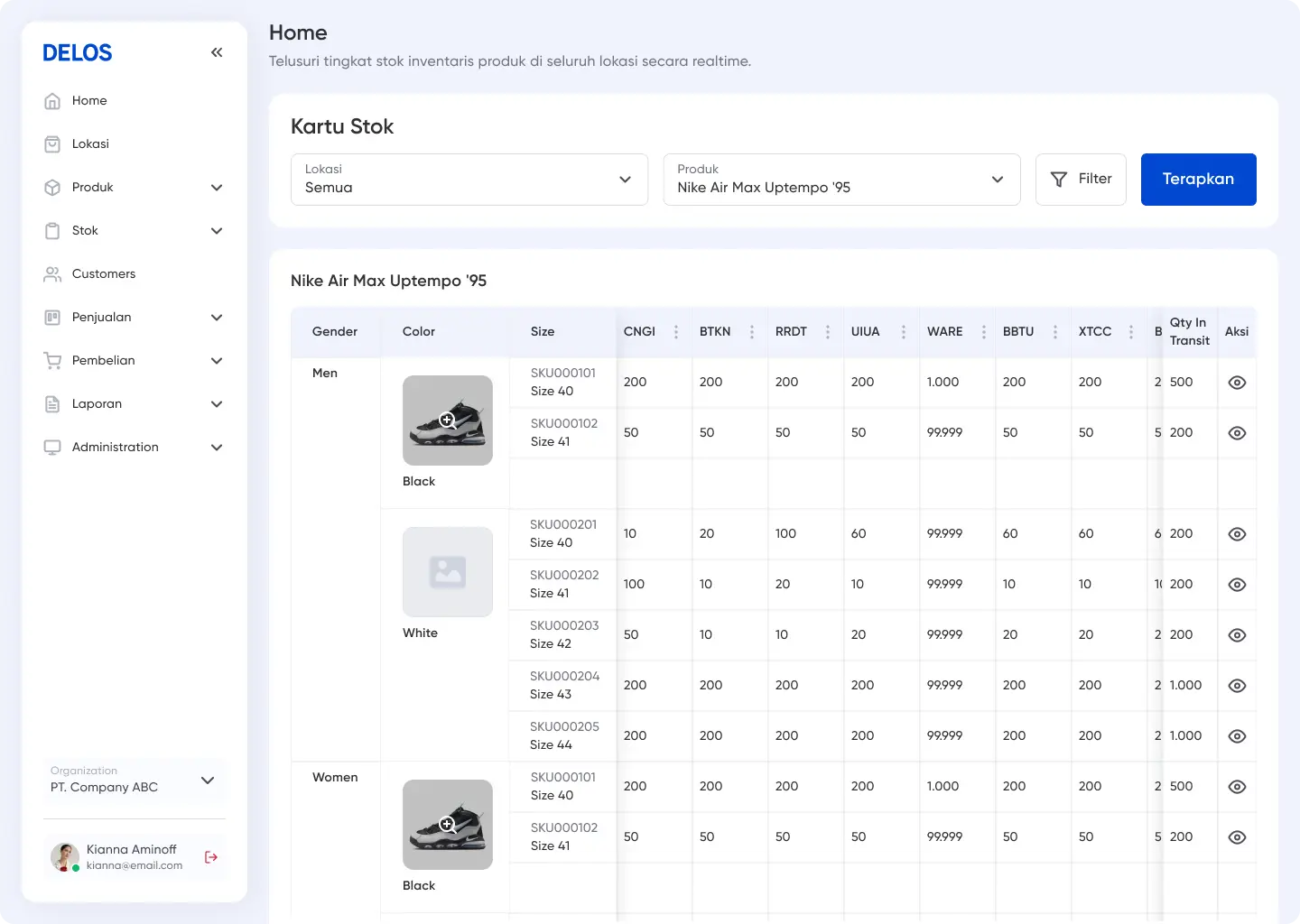
Short answer: Vibe coding is good at prototyping simple problems for one person. Enterprise software serves many people with different goals, and money and stock depend on it. That still needs custom software, built by a team that keeps builders, buyers and users aligned. AI makes code cheaper to write, but it doesn’t remove the need for strategy, testing or accountability.
Vibe coding is great for the right problem
Vibe coding is excellent for quickly prototyping a solution to a simple problem. When one person has a clear need and a small tool will do, a full product team isn’t necessary. Design, development and infrastructure can all be handled in one session.
The mistake is using that approach for everything. Don’t use a sledgehammer to crack a nut. A tool that tracks one person’s to-do list is a nut. A system that decides stock levels across dozens of stores is not.
Enterprise software is never a solo job
Enterprise software has to work for several groups at once:
- Builders design, build and maintain it.
- Buyers approve the budget and need the business case to hold up.
- Users do the work every day, on different devices, in different locations.
These groups rarely want the same thing. A buyer wants control and reliable reports. A store team wants a screen that’s fast during a busy shift. A finance team needs journal entries that close the month. Each goal is reasonable on its own. Together they create trade-offs that someone has to negotiate, document and maintain.
Anyone who has picked a restaurant for a group knows the difference. Choosing alone takes a minute. Choosing with friends means balancing budgets, tastes, distance and who’s paying. Building for one user is simple. Building for many is a different job.
The work also doesn’t end at launch. Users need training, the business changes, and the system has to keep up with the people who depend on it. These post-delivery steps are easy to overlook.
Most companies try in-house first
Many companies already have an in-house digital team, and they usually try building with AI before they consider an outside partner. That’s a reasonable instinct. The real question is whether a prototype can grow into something the whole business relies on. Delos also helps companies assemble these teams from scratch when they don’t have one yet.
Requirements matter more with AI, not less
Ask experienced delivery teams what makes projects fail, and the answer is rarely the code. It’s unclear requirements. In our earlier article, No Requirements? You Should Prepare to Fail, we made that argument before AI coding tools were everywhere.
AI makes this problem bigger. An AI agent given a vague brief fills the gaps with assumptions, and it often builds something larger and more complicated than the problem needs. Without context on why a system is being built and what it has to do, an agent can overengineer a simple problem with confidence.
That’s why a human expert needs to stay in the loop. Someone has to check whether the solution is right-sized: not so small that it misses the business need, and not so large that it becomes a system nobody wants to maintain.
How Delos uses AI
Everyone at Delos uses AI throughout their work, with no exceptions. Code is faster to write, but the fundamentals of software development stay more or less the same: understand the problem, design it well, build it, test it, and run it in production.
What has changed most is testing. Quality assurance matters more than ever. AI can produce code quickly, so a strong QA culture is what keeps AI-generated mistakes (“AI slop”) from reaching end users. We see no excuse for software bugs reaching end users because of AI coding tools.
What clients pay Delos for
Clients pay Delos for certainty: reliable results and a clear return on their digital transformation.
Businesses have always turned to digital technology to grow and expand. AI is the latest step, after mobile, web and cloud. Every business, large, medium or small, must keep innovating or risk being left behind. Every business’s situation is different, and no one has unlimited resources or capacity.
Building software is no longer the main barrier. The bottleneck has moved to strategy: identifying the right problems and executing them end to end. Not every part of a business needs AI. The priority should be the areas with the highest value or impact, and the partner should have a proven track record in them.
A guide for business owners: build, buy or commission?
Ask yourself these questions first:
- How essential is this solution to your business? The more essential it is, the more a wrong decision costs. Smaller businesses usually move faster and adopt new tools more easily.
- How large is the full scope of work?
- Do you have enough internal capacity and skill to cover it?
Vibe coding covers only the build. Many non-technical people overlook the hidden work that follows: maintenance, user onboarding, training, changes as the business grows, and support.
If your internal team can’t cover the work, buying off the shelf and bringing in outside help is usually the better path. Insufficient capacity, competing with other priorities, slows your time-to-value, which is the return you were expecting in the first place.
Our rules of thumb:
- The bigger the business, and the more consequential the tool, the higher the impact. High impact deserves more effort on due diligence: check references and investigate the details before you commit.
- When impact is high, get guidance from technical experts before you proceed. It may feel slower. Caution up front pays off later, because a failed implementation can drain company resources for a long time.
Three to five years from now
If adopted well, AI can give a business a compounding competitive edge. More businesses will treat it as a serious path to growth, and many will try to hire AI engineers directly, even in industries not traditionally associated with technology.
Hiring AI engineers alone won’t be enough, because AI adoption is a business and digital transformation. The missing piece is a CTO or CPO-level skill set that bridges business value and technical solutions. Building software won’t be the barrier. Choosing which parts of the business to transform, based on value and impact, will be.
Many business owners are drawn in by ROI promises but don’t account for this strategic skill. They adopt AI and vibe coding carelessly, then blame the technology when it doesn’t work for them.
Delos Retail: built for Indonesian retail
Delos Retail is built for Indonesian retailers that run several brands, consignment counters and marketplace sales. It has been deployed for a retailer with 20k+ SKUs and 30+ mixed offline locations and online channels. It connects stores, online marketplaces and warehouses into one stock position, and it integrates natively with Accurate Online, so operational transactions reach financial reporting without a second round of data entry.
Case studies
- PT. Saga Machie: a fashion retail group with four footwear and accessories brands moved off its legacy ERP onto Delos Retail.
- Irvins Salted Egg: an omnichannel commerce platform that unified 30+ retail and distribution locations and migrated more than 10,000 customer records.
- Goats by Bukalapak: a specialty electronics marketplace taken from kickoff to public launch in under three months.
- Astro Indonesia: a quick-commerce platform for daily goods and essentials with 15-minute delivery.
Talk to Delos
If one person needs a tool, prototype it and see. If your team, your stores or your month-end close depend on it, talk to us before you build.